CONDITIONS
1. Erectile Dysfunction (ED)
Erectile Dysfunction is the consistent or recurrent inability to achieve or maintain an erection firm enough for sexual satisfaction. It is a common condition that can stem from physical issues like poor blood flow or psychological factors such as performance anxiety. While many men experience occasional difficulties, chronic ED often indicates an underlying health concern that deserves attention. Fortunately, it is highly treatable through lifestyle adjustments, medication, or therapeutic support. Understanding the root cause is the first step toward reclaiming sexual confidence and improving intimacy.


2. Female Sexual Arousal Disorder (FSAD)
Female Sexual Arousal Disorder involves a persistent difficulty with physical responses like lubrication, swelling, or sensitivity during sexual activity. Unlike a lack of interest, FSAD occurs even when a woman has a mental desire for intimacy and feels sexually motivated. This disconnect between mind and body can lead to physical discomfort and emotional frustration for both partners. It is often linked to hormonal changes, vascular issues, or the side effects of certain medications. Identifying these symptoms allows for targeted treatments that help restore the body’s natural response to arousal.
4. Premature Ejaculation (PE)
Premature ejaculation occurs when a man ejaculates sooner during sexual activity than he or his partner would like. It is one of the most common sexual complaints, often characterized by a feeling of a lack of control over the timing of climax. While the exact cause isn’t always clear, it usually involves a mix of psychological factors, such as stress, and biological factors, such as neurotransmitter levels. Many men find that the condition creates a cycle of anxiety that further complicates future sexual encounters. Behavioral techniques, topical treatments, and counseling are highly effective in helping men gain better control.


5. Compulsive Sexual Behavior Disorder (CSBD)
Compulsive Sexual Behavior Disorder is characterized by a persistent pattern of failure to control intense, repetitive sexual impulses or urges. These behaviors often become a central focus of a person’s life, sometimes at the expense of their health, job, or personal relationships. Individuals with CSBD may continue these patterns even when they no longer derive pleasure from them or when the consequences become severe. It is recognized as a formal mental health condition that requires specialized therapeutic intervention to manage. Recovery focuses on regaining control and developing healthier ways to cope with emotional distress.
7. Porn Addiction
Porn addiction refers to a compulsive need to consume pornography that interferes with daily responsibilities and real-life intimacy. Users often find that they need increasingly explicit or frequent content to achieve the same level of arousal. This can lead to “porn-induced” sexual difficulties, where the brain becomes desensitized to the presence of a physical partner. Many people struggle with the guilt and isolation that come with the loss of control over their viewing habits. Recovery typically involves a period of “rebooting” the brain’s reward system and learning to reconnect with authentic sexual experiences.

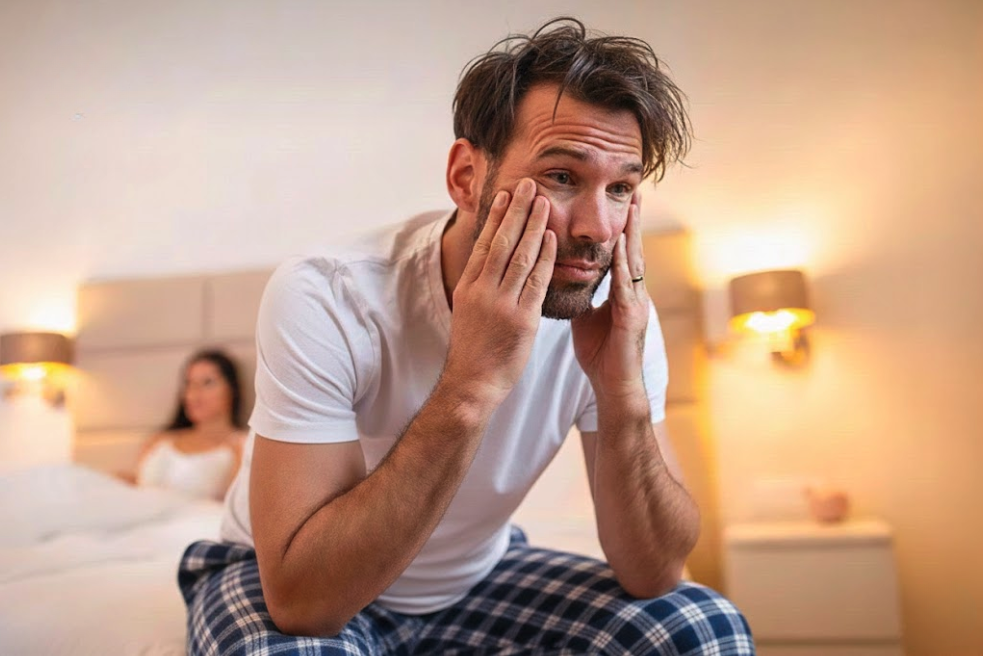
8. Anxiety
Anxiety is more than just occasional stress; it is a persistent feeling of dread or worry that can interfere with daily activities. It often manifests physically through a racing heart, shallow breathing, and a constant state of “high alert.” When anxiety enters the bedroom, it can trigger the body’s fight-or-flight response, which actively works against sexual arousal and relaxation. This creates a challenging loop where the fear of a poor experience actually causes the very outcome the person fears. Managing anxiety through mindfulness, therapy, or medication can significantly improve both mental well-being and sexual health.
9. Depression
Depression is a complex mood disorder that causes a persistent feeling of sadness and a loss of interest in activities once enjoyed. Beyond emotional pain, it can cause physical symptoms like fatigue, sleep disturbances, and a significant drop in libido. The “brain fog” associated with depression often makes it difficult to feel connected to one’s body or a partner. Because many antidepressants can also affect sexual function, navigating treatment requires a nuanced and collaborative approach. With the right support, individuals can manage their symptoms and eventually rediscover their zest for life and intimacy.

Is Erectile Dysfunction always a permanent condition?
No, ED is often temporary or situational. While it can be caused by long-term physical issues like heart disease or diabetes, it is frequently linked to lifestyle factors like stress, fatigue, or performance anxiety. Identifying the root cause with a professional usually leads to highly effective treatment options.
Can women experience arousal issues even if they have a high sex drive? Yes. Female Sexual Arousal Disorder (FSAD)
Yes. Female Sexual Arousal Disorder (FSAD) specifically refers to the body’s physical response—such as lubrication and blood flow—not a lack of mental desire. A woman may deeply want to be intimate, but physical or hormonal factors might prevent her body from “keeping up” with her mind.
What is the main difference between Premature and Delayed Ejaculation?
The difference lies in the timing and sense of control. Premature Ejaculation (PE) involves climaxing sooner than desired (often within one minute), while Delayed Ejaculation is a persistent difficulty or inability to reach orgasm despite adequate stimulation. Both can be caused by a mix of psychological pressure and physical sensitivity.
Is "Sex Addiction" a formal medical diagnosis?
While “Sex Addiction” is a widely used term in therapy and support groups, clinical manuals often use the term Compulsive Sexual Behavior Disorder (CSBD). Both describe an inability to manage sexual urges that leads to negative consequences in one’s life, and both are treated with similar therapeutic approaches focused on impulse control.
How do I know if my porn consumption has become an "addiction"?
It may be a concern if you find yourself unable to stop even when you want to, or if it starts interfering with your work, relationships, and self-esteem. Many people also notice a “desensitization” effect, where real-life intimacy feels less satisfying than the digital content they consume.
How does Anxiety affect sexual performance?
Anxiety triggers the body’s “fight or flight” response, releasing adrenaline, which constricts blood vessels and makes relaxation impossible. This often leads to a self-fulfilling prophecy: you worry about performing well, which causes your body to shut down, which then increases your worry for next time.
Can Depression cause a total loss of libido?
es, a loss of sexual desire (libido) is one of the most common symptoms of depression. Because depression affects the brain’s reward system and energy levels, things that used to feel pleasurable can feel like a chore. Treatment often involves a combination of therapy and managing medication side effects.
Is it possible to enjoy a healthy sex life after experiencing Trauma?
Absolutely. While trauma can cause the body to “brace” against intimacy or feel numb, many people successfully reclaim their sexuality through trauma-informed therapy. Healing involves moving at your own pace and learning how to communicate boundaries and safety needs with a partner.